
Unlocking High-Traffic Keywords for SEO Success: Master Keyword Research Tools and Analysis
High-traffic keywords drive organic visits and visibility. This guide presents concise, practical keyword-research tactics using AI-driven tools and semantic analysis. You’ll learn how to find terms that improve SEO performance, convert visitors, and support a revenue-focused content strategy.
Key Takeaways
- AI-driven tools identify high-traffic, lower-competition keywords by analyzing search patterns.
- Machine learning refines keyword-difficulty estimates using backlinks and content signals.
- Semantic clustering groups related terms to capture broader search intent with fewer pages.
- Intent analysis helps tailor content (informational, navigational, transactional) for better conversion.
- Integrate priority keywords into content, landing pages, and ads to build revenue infrastructure.
- Track metrics such as conversion rate, CAC, and ROI to measure keyword value.
- Regularly update keyword lists and balance high- and low-difficulty targets.
- Use tools like SEMrush and Google Trends alongside surveys to estimate search volume.
- Keyword-difficulty scores guide targeting toward achievable, traffic-driving terms.
How Can AI-Driven Keyword Research Tools Identify High-Traffic Keywords?
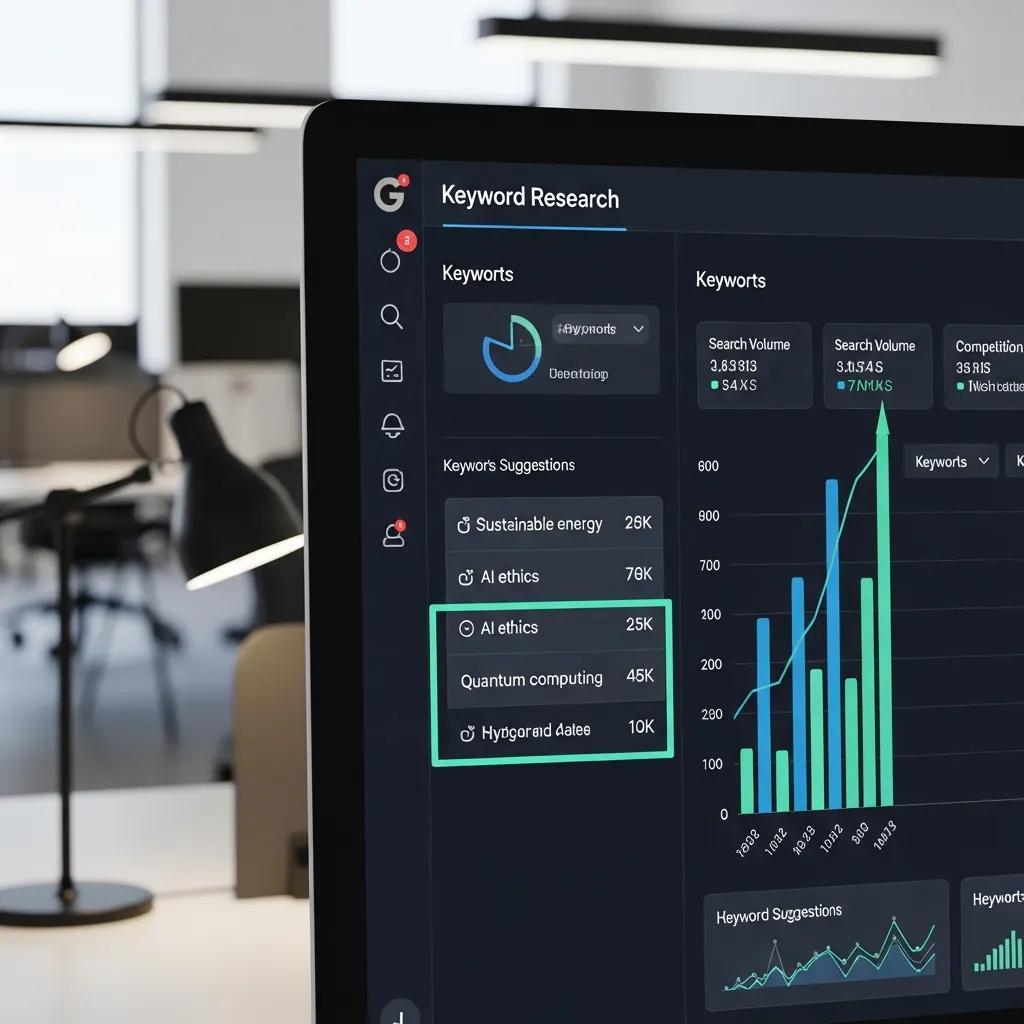
AI tools process large datasets to surface terms with meaningful search volume and manageable competition. Machine-learning models learn from trends and user behavior to prioritize keywords that are likely to perform, helping teams adapt strategies quickly.
Research supports combining AI with search-intent prediction to improve SEM keyword optimization.
AI-Driven Keyword Optimization & Search Intent Prediction
This research presents a framework that integrates artificial intelligence algorithms with consumer search-intent prediction to enhance SEM keyword optimization performance. The methodology uses multi-layer clustering and predictive modeling to analyze search patterns and automate bidding strategy optimization. It applies natural language processing for intent classification and machine learning for dynamic bid adjustment. Real-time implementations report notable improvements in campaign efficiency.
AI-Driven SEM Keyword Optimization and Consumer Search Intent Prediction: An Intelligent Approach to Search Engine Marketing, M Sun, 2025
What Are the Best Tools for SEO Keyword Analysis and Search Volume Estimation?
A few widely used tools provide reliable keyword and volume data. Notable options include:
- SEMrush : Comprehensive keyword metrics, trends, and competitive insights.
- Ahrefs : Large index with difficulty and traffic estimates.
- Moz : User-friendly suggestions informed by intent signals.
These tools help prioritize targets that balance volume and attainability.
How Does Machine Learning Improve Keyword Difficulty Checking?
Machine learning analyzes historical rankings, backlink profiles, and on-page quality to produce more nuanced difficulty scores. These data-driven estimates help prioritize keywords with the best risk-reward profile.
What Is Semantic Keyword Clustering and How Does It Enhance SEO?
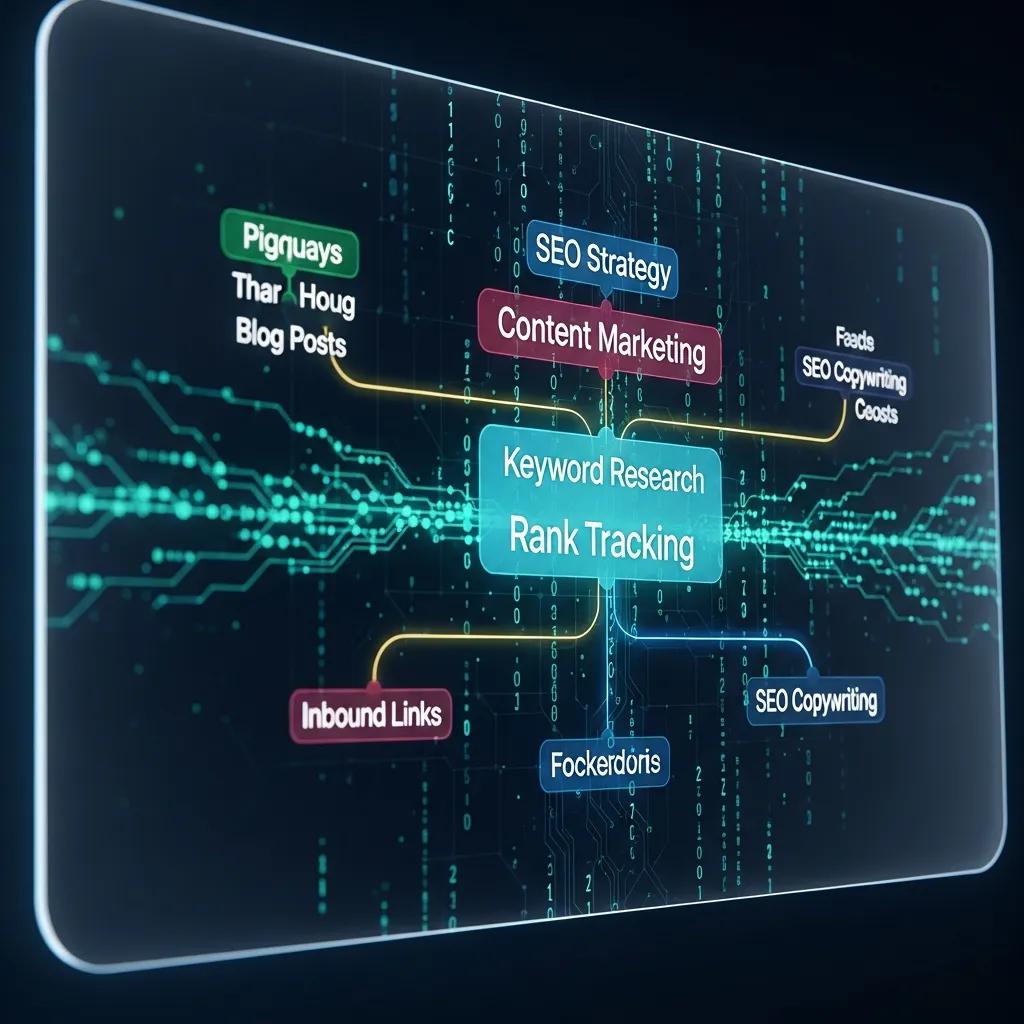
Semantic clustering groups keywords by meaning so a single content asset can target many related queries. That reduces duplication, improves topical authority, and captures diverse search intent with coherent pages.
How Does Semantic Clustering Group Long Tail Keywords Effectively?
Clustering links long-tail variants that share intent (for example, “best running shoes for flat feet” and “top-rated sneakers for flat-footed runners”). Grouping them lets content address more queries without lots of thin pages.
Studies show machine-learning semantic clustering can improve ad and bidding performance by pooling related query signals.
Semantic Keyword Clustering for Ad Campaign Optimization
This paper explains how to use common machine learning tools to group textual queries with similar semantic meaning. Such clustering can improve bidding algorithm performance by pooling signals from ads shown on search results that share meaning. Leveraging frequent (short-tail) keywords to infer information about less frequent (long-tail) ones helps anticipate user behaviour and refine bidding strategy.
Semantic keywords clustering to optimize text ads campaigns, 2018
Why Is Keyword Intent Analysis Crucial for Content Strategy?
Intent analysis reveals whether a query is informational, navigational, or transactional. Matching content type to intent improves user satisfaction and increases the likelihood of conversion.
How Can Revenue Infrastructure Be Built from High-Traffic Keywords?
Build revenue infrastructure by integrating priority keywords into site content, targeted landing pages, and ad campaigns. Well-chosen keywords drive more qualified traffic and improve conversion potential.
What Metrics Measure the Revenue Impact of Keywords?
Track core metrics to evaluate impact:
- Conversion Rate : Percentage of visitors who take a desired action.
- Customer Acquisition Cost (CAC) : Cost to acquire a new customer through marketing.
- Return on Investment (ROI) : Profitability relative to campaign costs.
These KPIs help link keyword choices to business outcomes.
How Does Deploying Revenue-Focused SEO Improve Conversion Rates?
Revenue-focused SEO targets intent-aligned, high-value keywords to attract users likely to convert. Over time this approach raises conversion rates as content and landing pages better match user needs.
What Are the Best Practices for Using Keyword Difficulty Checkers and Search Volume Data?
Use practical routines to make tools actionable. Key steps include:
- Regularly Updating Keyword Lists : Revisit keywords periodically to stay aligned with trends.
- Balancing High and Low Difficulty Keywords : Mix quick-win terms with longer-term authority targets.
- Analyzing Competitor Strategies : Learn opportunities from competitor keyword choices.
These habits refine targeting and improve performance.
How to Interpret Keyword Difficulty Scores for Effective Targeting?
Difficulty scales vary, but a common guideline is 0–30 low, 31–60 moderate, and 61+ high. Prefer lower-difficulty terms that still offer useful volume to build momentum.
How to Estimate Search Volume Accurately for SEO Planning?
Combine sources for more accurate volume estimates:
- Using SEO Tools : SEMrush and Ahrefs provide database-driven estimates.
- Analyzing Google Trends : Useful for seasonality and trend direction.
- Conducting Surveys : Direct audience input adds qualitative insight.
Cross-referencing these methods supports better planning.
Advanced studies show Python can assist keyword analysis using Google Trends and NLP for content categorization.
Python for SEO Keyword Analysis & NLP
The paper discusses using Google Trends and AdWords data to classify keywords and applying NLP techniques for content analysis.
Python Driven Keyword Analysis for SEO Optimization, 2024
To boost your SEO efforts, consider exploring Cinderix.com for comprehensive solutions.
Frequently Asked Questions
What is the role of keyword intent analysis in SEO?
Intent analysis explains why users search. Classifying queries (informational, navigational, transactional) lets you deliver the content format users expect, which improves engagement and conversion.
How can businesses effectively integrate high-traffic keywords into their content?
Use keywords naturally in headings, subheadings, body copy, meta tags, image alt text, and URLs. Keep readability high and update content as trends shift.
What are some common mistakes to avoid in keyword research?
Avoid chasing volume without checking competition, ignoring long-tail terms, and skipping intent analysis. Also avoid keyword stuffing; monitor and iterate.
How does semantic analysis improve keyword research outcomes?
Semantic analysis uncovers context and related terms, helping create content that satisfies broader intent and ranks for more queries.
What is the significance of balancing high and low difficulty keywords?
High-difficulty keywords yield larger volume but take time to rank; low-difficulty terms provide quicker gains. A balanced approach captures immediate traffic while building authority.
How can businesses measure the effectiveness of their keyword strategies?
Use KPIs like organic traffic, conversion rate, and rankings. Combine analytics with CAC and ROI calculations to understand revenue impact.
Conclusion
High-traffic keywords remain central to SEO success. Use AI-driven tools, semantic clustering, and intent-focused targeting to improve visibility and conversions. Implement the practices here to build a revenue-focused keyword strategy that grows over time.