
AI SEO Strategies That Boost Your Revenue: Comprehensive Guide to Tools, Techniques, and Analytics
By Frank Wiebe, Cinderix
In the rapidly evolving digital landscape, businesses are increasingly turning to AI SEO strategies to enhance their online visibility and drive revenue growth. This comprehensive guide delves into the essential tools, techniques, and analytics that can transform your SEO efforts. Readers will learn how AI-driven marketing systems can automate optimization processes, improve keyword prediction, and leverage predictive analytics for better revenue forecasting. Many businesses struggle to keep up with the complexities of SEO, often missing out on potential revenue opportunities. By implementing advanced AI strategies, companies can streamline their SEO efforts and achieve measurable results. This article will cover essential AI SEO tools, best practices for implementation, the transformative power of predictive analytics, and case studies demonstrating successful revenue growth.
What Are the Essential AI SEO Tools for Maximizing Revenue Growth?
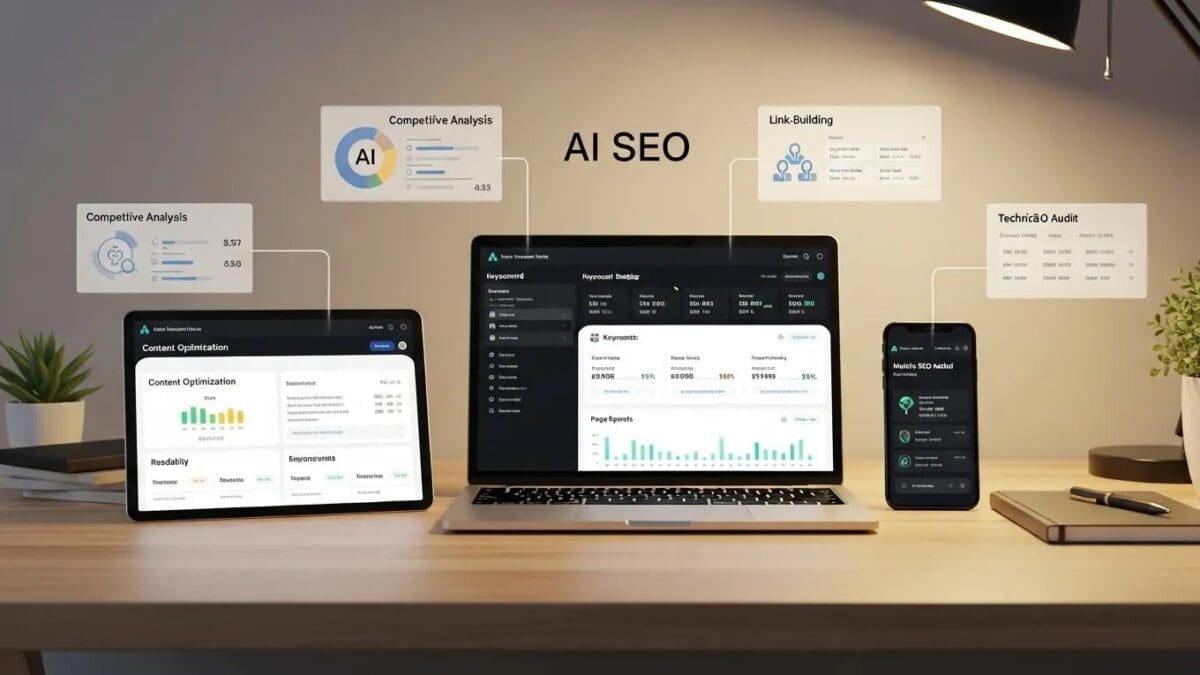
AI SEO tools are designed to enhance the efficiency and effectiveness of search engine optimization efforts. These tools utilize machine learning algorithms to analyze data, predict trends, and optimize content for better search engine rankings. Key AI SEO tools include:
- Content Optimization Tools: These tools analyze existing content and provide recommendations for improvement based on keyword usage, readability, and engagement metrics.
- Keyword Research Tools: AI-driven keyword research tools help identify high-value keywords and phrases that can drive traffic and conversions.
- SEO Analytics Platforms: These platforms offer insights into website performance, user behavior, and competitive analysis, enabling businesses to make data-driven decisions.
By leveraging these tools, businesses can significantly enhance their SEO strategies and drive revenue growth.
How Do AI-Driven Marketing Systems Automate SEO Optimization?
AI-driven marketing systems automate various aspects of SEO optimization, allowing businesses to focus on strategic initiatives rather than manual tasks. These systems utilize algorithms to analyze vast amounts of data, identify patterns, and make real-time adjustments to SEO strategies. Automation can include:
- Content Creation: AI tools can generate optimized content based on trending topics and user intent, ensuring that businesses remain relevant in their niche.
- Performance Monitoring: Automated systems continuously track website performance, alerting businesses to any issues that may affect their search rankings.
- Link Building: AI can identify potential backlink opportunities, streamlining the link-building process and enhancing domain authority.
This automation not only saves time but also improves the overall effectiveness of SEO strategies.
Which AI SEO Tools Integrate Machine Learning for Enhanced Performance?
Several AI SEO tools integrate machine learning to enhance their performance and provide deeper insights into SEO strategies. These tools can learn from user interactions and adapt their recommendations accordingly. Notable examples include:
- MarketMuse: This tool uses machine learning to analyze content and suggest improvements based on competitive analysis and topic relevance.
- BrightEdge: An AI-powered SEO platform that provides insights into keyword performance and content optimization, helping businesses stay ahead of the competition.
- SEMrush: This comprehensive SEO tool incorporates machine learning to offer personalized recommendations for keyword targeting and content strategy.
By utilizing these advanced tools, businesses can optimize their SEO efforts and achieve better results.
How Does Machine Learning Enhance SEO Techniques to Drive Revenue?
Machine learning enhances SEO techniques by providing data-driven insights that inform decision-making. By analyzing user behavior and search patterns, machine learning algorithms can identify trends and predict future performance. This capability allows businesses to:
- Optimize Content: Machine learning can analyze which types of content perform best, enabling businesses to create more engaging and relevant material.
- Improve User Experience: By understanding user preferences, businesses can tailor their websites to provide a better user experience, leading to higher conversion rates.
- Forecast Trends: Machine learning can predict shifts in search behavior, allowing businesses to adapt their strategies proactively.
These enhancements ultimately lead to increased traffic and revenue.
What Machine Learning SEO Techniques Improve Keyword Prediction and Content Optimization?
Machine learning techniques play a crucial role in improving keyword prediction and content optimization. Some effective techniques include:
- Natural Language Processing (NLP): NLP algorithms analyze user queries to understand intent and context, helping businesses identify relevant keywords and phrases.
- Predictive Analytics: This technique uses historical data to forecast future trends, allowing businesses to target keywords that are likely to gain traction.
- Content Gap Analysis: Machine learning can identify gaps in existing content, suggesting new topics and keywords that can attract more visitors.
This emphasis on understanding user intent through AI is crucial for developing highly effective SEO campaigns.
AI in Modern SEO: Understanding User Intent for Campaign Success
AI allows search engines to better understand the context and user intent behind search queries, resulting in more effective SEO campaigns. In this article, we’ll take a closer look at the role that AI plays in modernSEO strategies and how it can help businessesachieve greater success with their campaigns.
The role of AI in modern SEO strategies, 2023
By implementing these techniques, businesses can enhance their SEO strategies and drive revenue growth.
How Does Predictive Analytics Measure and Forecast SEO Revenue Growth?

Predictive analytics is a powerful tool for measuring and forecasting SEO revenue growth. By analyzing historical data and identifying patterns, businesses can make informed predictions about future performance. Key benefits of predictive analytics in SEO include:
- Revenue Forecasting: Businesses can estimate potential revenue based on projected traffic and conversion rates, allowing for better financial planning.
- Performance Tracking: Predictive analytics enables businesses to monitor the effectiveness of their SEO strategies, identifying areas for improvement.
- Strategic Decision-Making: By understanding potential outcomes, businesses can make data-driven decisions that align with their revenue goals.
This analytical approach empowers businesses to optimize their SEO efforts for maximum revenue impact.
What Are the Best Practices for Implementing Automated SEO Optimization?
Implementing automated SEO optimization requires a strategic approach to ensure effectiveness. Best practices include:
- Integration of AI Tools: Select AI tools that align with your business goals and integrate them into your existing SEO processes.
- Phased Implementation: Gradually implement automation to allow for adjustments and ensure that the tools are effectively meeting your needs.
- Continuous Measurement and Adaptation: Regularly monitor performance metrics and adapt strategies based on data insights to optimize results.
By following these best practices, businesses can successfully implement automated SEO optimization.
How to Deploy a Revenue Infrastructure Using AI SEO Strategies?
Deploying a revenue infrastructure using AI SEO strategies involves several key steps:
- Choosing the Right Tools: Select AI-driven tools that align with your business objectives and can effectively support your SEO efforts.
- Implementation Strategies: Develop a clear plan for integrating AI tools into your existing processes, ensuring that all team members are trained and informed.
- Measuring Success: Establish key performance indicators (KPIs) to track the effectiveness of your AI SEO strategies and make necessary adjustments.
This structured approach ensures that businesses can effectively leverage AI to enhance their revenue potential.
Which Metrics and KPIs Effectively Monitor SEO Revenue Growth?
Monitoring SEO revenue growth requires a focus on specific metrics and KPIs that provide insights into performance. Key metrics include:
- Organic Traffic: The number of visitors coming from search engines, indicating the effectiveness of SEO strategies.
- Conversion Rate: The percentage of visitors who complete a desired action, such as making a purchase or signing up for a newsletter.
- Return on Investment (ROI): Measuring the revenue generated from SEO efforts against the costs incurred helps assess overall effectiveness.
By tracking these metrics, businesses can gain valuable insights into their SEO performance and make informed decisions.
How Can Predictive SEO Analytics Transform Business Revenue Outcomes?
Predictive SEO analytics can significantly transform business revenue outcomes by providing actionable insights that drive strategic decision-making. By leveraging data to forecast trends and user behavior, businesses can:
- Enhance Targeting: Predictive analytics allows for more precise targeting of keywords and content, increasing the likelihood of attracting high-value traffic.
- Optimize Marketing Spend: By understanding which strategies yield the best results, businesses can allocate resources more effectively, maximizing ROI.
- Improve Customer Engagement: Insights from predictive analytics can inform content strategies that resonate with target audiences, leading to higher engagement and conversion rates.
This transformative approach empowers businesses to optimize their SEO efforts for greater revenue impact.
What Role Does Predictive Analytics Play in SEO Conversion Optimization?
Predictive analytics plays a crucial role in SEO conversion optimization by providing insights that inform content and marketing strategies. Key roles include:
- Identifying High-Value Keywords: Predictive analytics can highlight keywords that are likely to drive conversions, allowing businesses to focus their efforts on the most impactful terms.
- Understanding User Behavior: By analyzing user interactions, businesses can gain insights into what drives conversions, enabling them to tailor their strategies accordingly.
- Forecasting Conversion Rates: Predictive analytics can estimate potential conversion rates based on historical data, helping businesses set realistic goals and expectations.
By leveraging predictive analytics, businesses can enhance their conversion optimization efforts and drive revenue growth.
How to Leverage Data-Driven Insights for Scalable Revenue Growth?
Leveraging data-driven insights is essential for achieving scalable revenue growth. Businesses can implement the following strategies:
- Utilize Advanced Analytics: Invest in analytics tools that provide deep insights into user behavior, traffic sources, and conversion patterns.
- Implement A/B Testing: Regularly test different strategies and content variations to identify what resonates best with your audience.
- Focus on Personalization: Use data to create personalized experiences for users, increasing engagement and conversion rates.
By adopting these strategies, businesses can effectively leverage data-driven insights to drive scalable revenue growth.
What Case Studies Demonstrate Measurable Revenue Growth from AI SEO?
Several case studies illustrate the measurable revenue growth that can be achieved through AI SEO strategies. Notable examples include:
Which Industries Benefit Most from AI SEO Revenue Infrastructure?
Industries that benefit significantly from AI SEO revenue infrastructure include:
- E-commerce: Online retailers can leverage AI to optimize product listings and improve search visibility, driving sales.
- Healthcare: Medical practices can use AI to enhance their online presence, attracting more patients through improved search rankings.
- Finance: Financial institutions can optimize their content to address user queries, increasing trust and engagement.
Research further supports the significant impact of AI-powered SEO on market competitiveness, particularly within e-commerce environments.
AI-Powered SEO: Enhancing Market Competitiveness & Visibility
This study systematically investigates how artificial intelligence (AI) enhances market competitiveness through its application in search engine optimization (SEO) and digital marketing strategies within e-commerce environments. In an increasingly saturated and algorithm-driven digital marketplace, firms are under continuous pressure to improve visibility, personalization, and customer engagement.
Enhancing market competitiveness through AI-powered SEO and digital marketing strategies in e-commerce, R Hasan, 2025
These industries demonstrate the versatility and effectiveness of AI SEO strategies in driving revenue growth.
What Are the Quantifiable Outcomes of AI SEO Implementations?
Quantifiable outcomes of AI SEO implementations can include:
- Increased Organic Traffic: Businesses often see a significant increase in organic traffic following the implementation of AI-driven SEO strategies.
- Higher Conversion Rates: Enhanced targeting and content optimization can lead to improved conversion rates, resulting in higher revenue.
- Improved ROI: By optimizing marketing spend and focusing on high-value keywords, businesses can achieve a better return on investment.
Indeed, studies confirm that AI-driven SEO models demonstrably boost key performance indicators such as keyword ranking, organic traffic, and conversion rates.
AI SEO Models: Boosting Keyword Ranking & Conversion Metrics
The findings reveal that AI significantly improves keyword ranking stability, organic traffic, user engagement, and conversion metrics. Statistical results confirm strong direct effects of AI-driven SEO on marketing performance, with SEO performance acting as a substantial mediating variable. AI models such as XGBoost and Random Forest demonstrate high predictive accu
AI-Driven SEO Models for Enhancing Digital Marketing Performance, 2025
These outcomes highlight the effectiveness of AI SEO strategies in driving measurable revenue growth.
What Common Questions Arise When Implementing AI SEO Strategies?
As businesses consider implementing AI SEO strategies, several common questions often arise:
How Does AI Improve SEO Revenue Compared to Traditional Methods?
AI improves SEO revenue compared to traditional methods by providing data-driven insights and automation that enhance efficiency and effectiveness. Traditional methods often rely on manual processes and subjective decision-making, while AI leverages vast amounts of data to inform strategies and optimize performance.
What Are the Top AI SEO Tools Recommended for Businesses?
Some of the top AI SEO tools recommended for businesses include:
- Moz: Known for its comprehensive SEO tools and resources, Moz offers insights into keyword performance and site optimization.
- Ahrefs: This tool provides in-depth analysis of backlinks and keyword rankings, helping businesses improve their SEO strategies.
- Yoast SEO: A popular plugin for WordPress, Yoast SEO offers real-time content analysis and optimization recommendations.
These tools can significantly enhance a business’s SEO efforts and drive revenue growth.