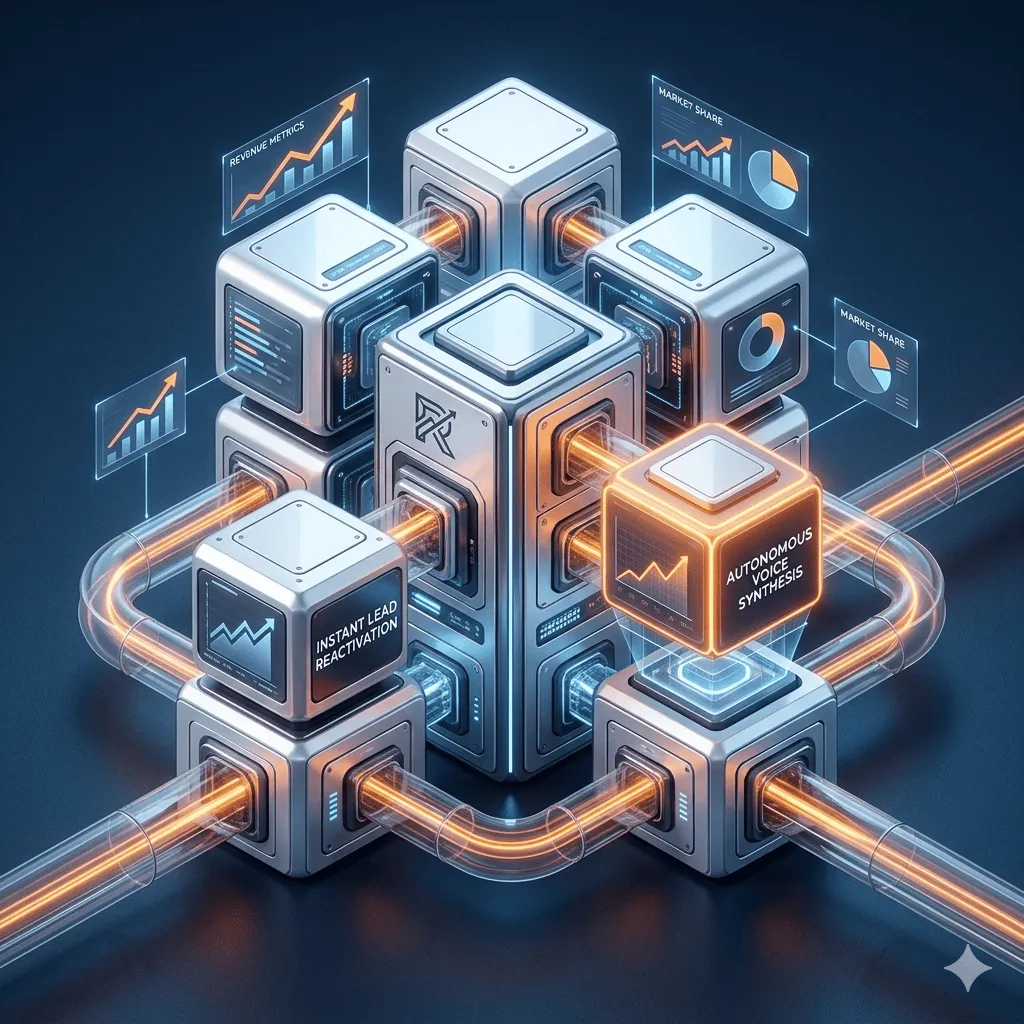
Future Link Building Strategies That Boost SEO Success with AI Link Building Tools
By Frank Wiebe, Cinderix
The digital environment is evolving and organisations must adapt link building strategies to stay competitive. Artificial intelligence (AI) is becoming central to modern SEO, helping teams identify backlink opportunities, prioritise quality, and measure impact. This article summarises emerging link building trends for 2026, explains AI’s role in automated outreach and analysis, and highlights quality metrics and case-study evidence of revenue-linked results.
The integration of AI into SEO practice marks an inflection point for digital marketing, enabling clearer workflows and faster decision-making.
AI in SEO: Tools, Algorithms, and Ethical Innovation
The incorporation of Artificial Intelligence (AI) into Search Engine Optimization (SEO) has introduced a new phase of digital marketing defined by operational efficiencies and ethical considerations. This paper analyses AI’s impact on conventional methods for optimising online visibility and user engagement. Through machine learning and advanced algorithms, AI-enabled SEO tools improve keyword research, content optimisation, and trend analysis. In addition, AI facilitates personalised content tailored to user preferences, which supports increases in traffic and conversion rates.
Optimizing SEO with AI: Achieving Success Through Responsible Innovation, S Paul, 2023
Key Takeaways
- AI automates outreach and improves backlink quality assessment.
- 2026 trends favour quality backlinks and genuine industry relationships.
- AI tools surface high-authority sites and optimize link placement.
- Automated outreach personalises messages and manages follow-ups at scale.
- Focus KPIs: domain authority, traffic, and engagement rates.
- Authoritative backlinks drive rankings and revenue growth.
- Case studies report measurable SEO gains from AI-driven link building.
- Linking SEO to revenue systems improves ROI tracking.
- Predictive analytics and targeted outreach deliver higher-impact results.
What Are the Emerging Link Building Trends for 2026?
By 2026 the focus shifts from volume to relevance: backlink quality, topical fit, and publisher authority will matter more. Organisations will use AI to scale outreach, vet hosts against SEO metrics, and preserve contextual relevance. Search engines increasingly reward links that reflect real expertise and editorial value, so content and relationships remain essential.
How Is AI Transforming Link Building Techniques?
AI automates previously manual tasks: mining large datasets for link prospects, scoring sites by authority and relevance, and forecasting which outreach approaches will succeed. These predictive insights enable targeted, personalised pitches that increase the likelihood of securing high-value links while reducing wasted effort.
Additional studies show AI-driven systems can systematically evaluate potential hosts to optimise visibility and authority.
AI-Powered Link Placement for Enhanced SEO Visibility
In a shifting digital environment, effective Internet marketing—particularly Search Engine Optimization (SEO)—is essential for organisations. The proposed system optimises SEO by placing links on external resources selected through analytical evaluation. The underlying algorithm assesses potential link-hosting platforms against key SEO metrics to maximise visibility and authority. The design also emphasises security, employing the Laravel PHP framework to mitigate cyber threats and protect data integrity.
Protection System for Analysis of External Link Placing, I Liminovych, 2024
Which Automated Link Building Strategies Deliver Measurable SEO Success?

Key automated strategies include AI-driven outreach campaigns, content syndication, and backlink-profile analysis. Automation reduces repetitive tasks, ensures consistency, and helps teams concentrate on content and relationships that earn editorial links.
What Are the Best AI Link Building Tools for Quality Backlink Acquisition?
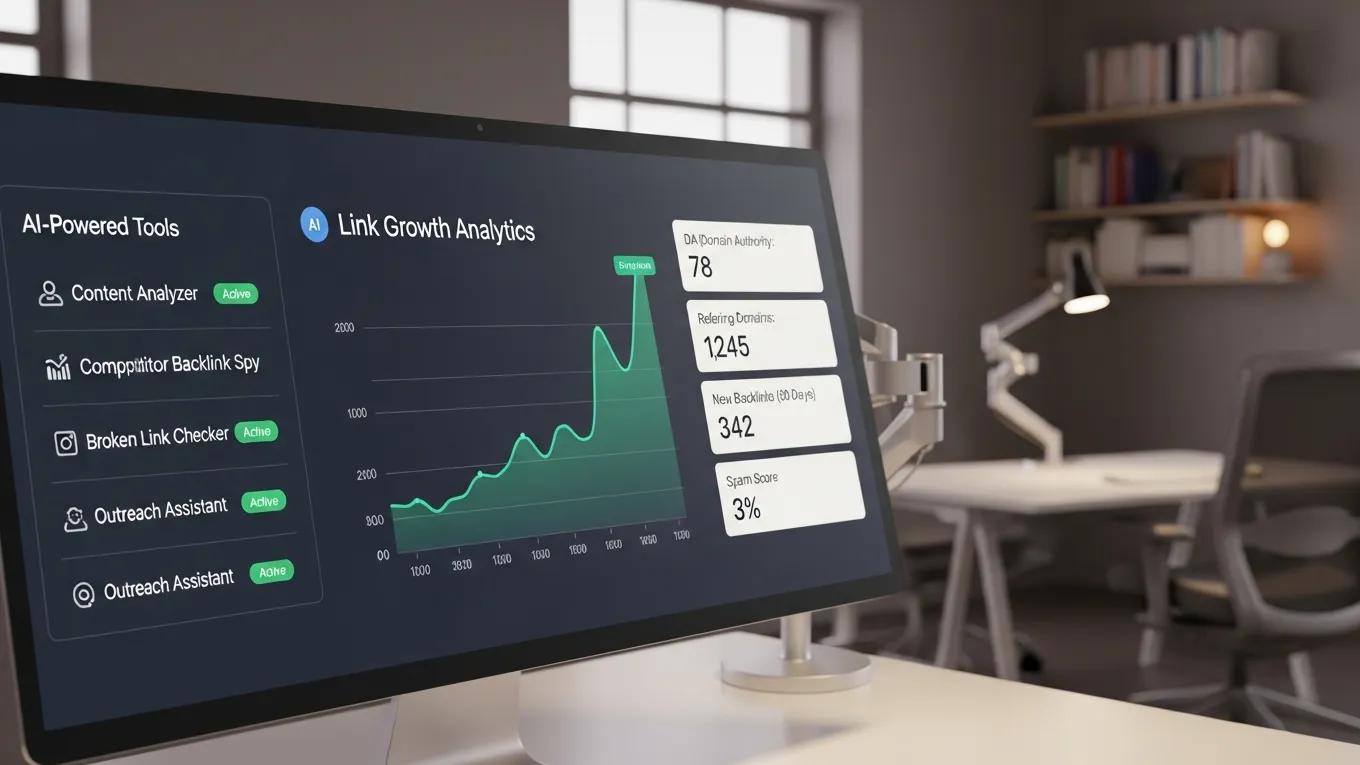
Several AI-enabled platforms support quality backlink acquisition by analysing authority, inspecting competitor profiles, and automating outreach workflows. Widely used options in industry practice include Ahrefs, Moz, and SEMrush.
- Ahrefs : Known for comprehensive backlink analysis and research features.
- Moz : Provides link metrics and opportunity discovery tools.
- SEMrush : Offers backlink analysis and outreach automation within an SEO suite.
These tools help marketers make data-driven decisions and refine link building tactics with measurable criteria.
How Does Outreach Automation Enhance Link Building Efficiency?
Outreach automation standardises contact workflows: it sends personalised messages at scale, logs replies, and sequences follow-ups. That efficiency raises conversion rates from reputable sources and frees teams to develop content and partnerships that produce editorial links.
How Can Quality Metrics Improve Backlink Acquisition and SEO Performance?
Quality metrics direct investment to links that matter. Prioritise domain authority, traffic potential, topical relevance, and engagement signals to ensure backlinks support ranking signals and user value.
What Key Performance Indicators Measure Backlink Quality Effectively?
Monitor a concise set of KPIs to judge link value and ROI.
- Domain Authority : Predicts likely ranking strength.
- Traffic Metrics : Referring-site traffic indicates visitor potential.
- Engagement Rates : Show how referred users interact with linked content.
Regular KPI monitoring produces actionable intelligence for evidence-based optimisation of link programmes.
How Does Backlink Quality Impact Search Rankings and Revenue Growth?
High-quality links from relevant, authoritative domains signal trust to search engines and typically improve rankings. Better placement drives organic visits that often convert at higher rates, supporting revenue growth and justifying investment in quality-focused link building.
What Case Studies Demonstrate Revenue Growth from AI-Driven Link Building?
Case studies report that organisations using AI tools see measurable backlink and SEO improvements within short operational windows. Automated outreach combined with data-led targeting accelerates link acquisition and supports revenue objectives.
How Have Businesses Increased SEO Success Using AI Marketing Systems?
Businesses using AI marketing systems streamline link building, surface competitor and trend data, and adapt tactics based on behaviour signals. That data-driven approach supports sustainable SEO gains and clearer prioritisation of high-impact opportunities.
What Are the Quantifiable Benefits of Integrating Revenue Infrastructure with SEO?
Aligning revenue systems with SEO enables tighter attribution: teams can link backlink campaigns to customer acquisition and revenue metrics, improving optimisation and budget allocation.
Empirical studies indicate that data-driven SEO strategies using AI can materially improve sales performance and business growth.
Data-Driven SEO & Backlink Optimization with AI for Sales Growth
The study outlines a data-driven method for optimising Search Engine Optimization (SEO) to enhance MSME sales performance on major Indonesian e-commerce platforms, including Tokopedia and Shopee. Employing a quantitative framework, the research uses Microsoft Excel for initial exploration and Google Colab (Python) for advanced analysis and predictive modelling. The dataset includes over 1,000 transaction records and covers SEO-related indicators such as keyword rank, website traffic, backlinks, social media engagement score, advertising spend, and monthly sales.
Data-Driven SEO Strategy Optimization to Enhance MSME Sales Performance on Indonesian E-Commerce Platforms, T Sangsawang, 2025
The table summarises how these strategies contribute to effective link building, emphasising the value of integrating tools and metrics into marketing operations.
To further enhance your SEO efforts, consider exploring Cinderix for innovative solutions.
Frequently Asked Questions
What role does content quality play in link building strategies?
Content quality is foundational: well-researched, relevant content attracts editorial backlinks, improves engagement, and amplifies SEO value. Invest in substantial resources to create content that earns links naturally.
How can businesses measure the effectiveness of their link building efforts?
Measure effectiveness via organic traffic growth, keyword ranking movement, and the count and quality of backlinks. Use analytics platforms for traffic signals and SEO tools for backlink and rank tracking; complement with engagement metrics like session duration.
What are the potential risks associated with automated link building?
Automation can create low-quality or spammy links if unchecked. Over-reliance on automation may harm relationship-building. Use a hybrid approach: automation for scale and human review for source validation.
How does AI improve the personalization of outreach in link building?
AI personalises outreach by analysing contextual and behavioural data to segment prospects, suggest optimal contact times, and adapt message variants—raising response rates and forming stronger partnerships.
What are some common mistakes to avoid in link building?
Avoid prioritising quantity over quality, neglecting source diversity, and failing to monitor performance. Do not use black-hat tactics like buying links; focus on relevant, authoritative backlinks and ongoing evaluation.
How can businesses stay updated on link building trends and best practices?
Maintain a learning programme: follow industry publications, attend webinars, join specialist forums, and subscribe to reputable SEO newsletters. Continuous professional development preserves competitive advantage.
Conclusion
AI-driven link building can improve SEO by automating outreach and elevating backlink quality. Prioritising rigorous metrics and authentic relationships produces measurable results that support revenue growth. Integrating advanced tools enables data-led decisions and positions teams for durable success in a competitive digital environment.