
Unlock Essential Mobile SEO Audit Tools for Comprehensive Performance Analysis
By Frank Wiebe, Cinderix services
Optimizing mobile performance is essential for measurable online improvements. Mobile SEO audit tools analyze site behavior on handheld devices, identify bottlenecks, and validate fixes. This article reviews key mobile metrics, AI-driven analysis, and practical optimization steps to improve mobile performance and search visibility.
Key Takeaways
- Mobile SEO audit tools analyze and improve mobile site performance.
- Core Web Vitals (LCP, FID, CLS) strongly affect mobile UX and rankings.
- Mobile usability and page speed drive engagement and ranking.
- AI-driven tools automate audits and surface prioritized fixes.
- An AI-powered system needs behavior analysis, automation, and Core Web Vitals monitoring.
- Use PageSpeed Insights, GTmetrix, Lighthouse for mobile diagnostics.
- Best practices: responsive design, image compression, minification.
- Interpret audits to prioritize fixes by impact and ROI.
- Common issues: slow load times, poor usability, hidden content.
What Are the Key Mobile SEO Performance Metrics to Monitor?
Monitor Core Web Vitals, mobile usability, and page speed regularly to target high-impact improvements.
How Do Core Web Vitals Impact Mobile User Experience?
Core Web Vitals—LCP for load speed, FID for interactivity, and CLS for stability—measure mobile responsiveness and affect engagement.
Which Mobile SEO Metrics Influence Search Engine Rankings?
Mobile usability, page speed, and mobile-first indexing determine how search engines evaluate and rank mobile pages.
Comprehension of search indexing and ranking mechanisms, particularly as they evolve with mobile usage, user experience expectations, and AI-driven models, is fundamental to effective optimization.
Search Indexing & Ranking: Mobile, UX, and AI Trends
This article examines the mechanisms of search indexing and ranking, tracing developments in indexation, crawl efficiency, and user satisfaction from 2010 to 2022. It analyzes core indexing components—crawling, content analysis, index construction, and maintenance—and highlights advances in natural language processing and machine learning. The study evaluates ranking determinants such as relevance, authority, user intent, and personalization, and assesses emerging trends including mobile and voice search, the increasing importance of user-experience metrics, and the shift toward entity-based, AI-enabled search capabilities.
Demystifying search indexing and ranking, M Thakkar, 2024
How Can AI-Driven Tools Enhance Mobile SEO Audits?

AI tools automate repetitive checks, analyze behavior data, and prioritize fixes, speeding issue detection and evidence-based remediation.
The integration of AI into SEO workflows materially alters digital marketing and user engagement by enabling advanced optimization capabilities.
AI’s Impact on SEO: Revolutionizing Digital Marketing & User Engagement
This paper explores AI’s transformative role in SEO, detailing algorithmic and machine learning applications that increase efficiency in keyword research, content optimization, and trend analysis. It documents how AI facilitates personalized content tailored to user preferences, producing measurable gains in traffic and conversion, and it addresses the ethical considerations associated with these capabilities.
Optimizing SEO with AI: Achieving Success Through Responsible Innovation, S Paul, 2024
Cinderix, an AI-driven marketing system, combines automation and analytics to support a Revenue Infrastructure that improves mobile outcomes and marketing effectiveness. By integrating marketing automation with data analytics, Cinderix services supports deployment of a comprehensive Revenue Infrastructure designed to enhance marketing effectiveness.
What Features Define an AI-Powered Mobile SEO Analysis System?
An AI-powered mobile SEO system should map user behavior, automate routine tasks, and continuously monitor Core Web Vitals to surface actionable insights.
How Does Cinderix Leverage AI for Mobile Performance Optimization?
Cinderix applies AI-derived insights to improve mobile site performance and align optimizations with revenue goals.
Which Mobile Site Optimization Tools Are Essential for Speed and Usability?
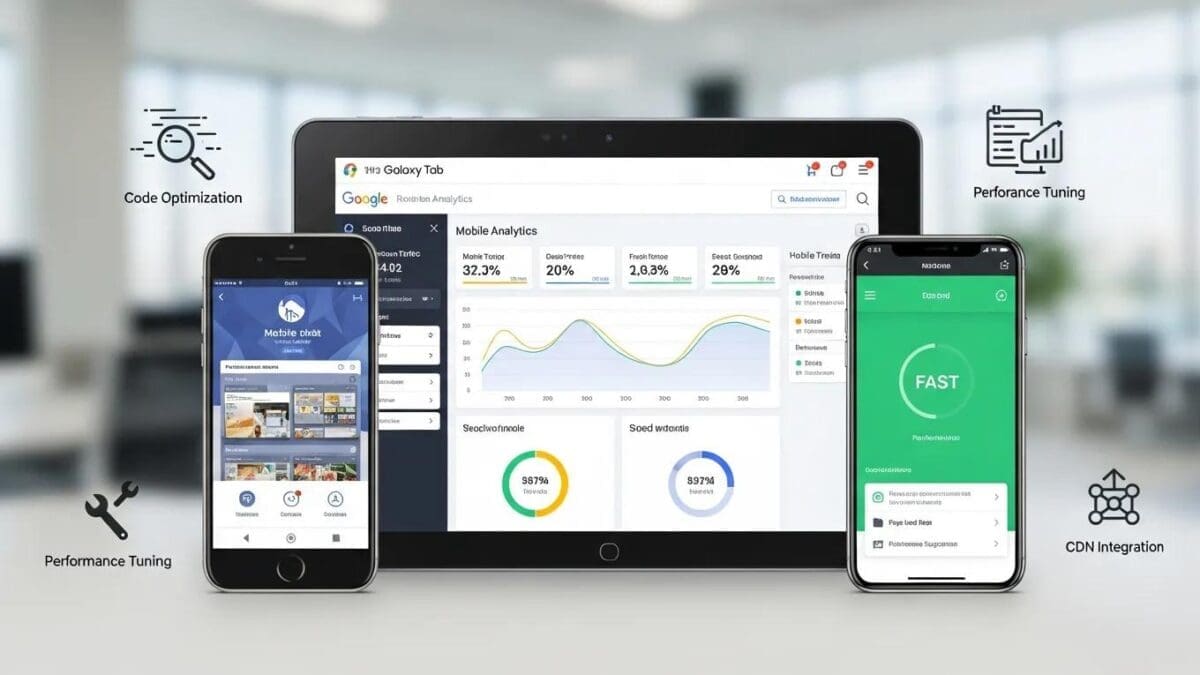
Use diagnostics like PageSpeed Insights, GTmetrix, and Lighthouse to identify bottlenecks and get prioritized remediation steps.
How to Conduct a Website Speed Test for Mobile Devices?
Run regular mobile speed tests to measure load times, track performance scores, and verify the impact of optimizations.
What Best Practices Improve Mobile User Experience and Site Speed?
Targeted best practices improve mobile UX and speed. Key areas include:
- Responsive Design: Ensure sites adapt to screen sizes.
- Image Optimization: Compress and serve correctly sized images.
- Minification of Resources: Minify CSS, JS, and HTML to reduce payload.
These steps typically reduce load time, improve navigation, and increase retention and conversions.
How to Interpret Mobile SEO Audit Results for Effective Site Improvements?
Triage audit findings: identify causes, estimate user and ranking impact, prioritize by ROI, and measure results over time.
What Are Common Issues Identified in Mobile SEO Audits?
Audits commonly surface the following issues:
- Slow Loading Times: Slow pages cause high bounce.
- Poor Mobile Usability: Navigation friction reduces engagement.
- Content Visibility Issues: Hidden or truncated content hurts experience.
Fixing these issues restores performance benchmarks and improves engagement and rankings.
How to Prioritize Fixes Based on Mobile SEO Performance Metrics?
Prioritize fixes that most improve Core Web Vitals, traffic, and conversions; validate gains through monitoring and adjust as needed.
Frequently Asked Questions
What are the benefits of using AI-driven mobile SEO tools?
AI tools automate audits, analyze behavior, and surface personalized optimization recommendations.
How often should I conduct a mobile SEO audit?
Audit at least quarterly and after major site changes to catch regressions and algorithm impacts.
What role does responsive design play in mobile SEO?
Responsive design ensures consistent layout and accessibility across devices, supporting lower bounce and better rankings.
Can poor mobile usability affect my website’s search rankings?
Yes. Poor mobile usability reduces engagement and can lower search visibility.
What are some common mistakes to avoid in mobile SEO?
Avoid ignoring page speed, skipping responsive layouts, and omitting device testing; large uncompressed images are a common pitfall.
How can I measure the success of my mobile SEO efforts?
Measure organic mobile traffic, bounce rate, mobile conversion rate, and Core Web Vitals; use analytics to track device-segmented trends.
Conclusion
Mobile SEO audit tools are critical for improving mobile UX and search performance. Focus on Core Web Vitals and usability, use AI-driven workflows to speed remediation, and apply the recommended tools and practices to raise mobile performance.